Building an Accessible Cross-Channel Customer Experience
A unified digital ecosystem for an emerging telecommunications provider.
Company Overview
Brightspeed is an internet provider whose mission is to bring high-speed internet to rural centers in the United States that currently do not have access to it. Their service is available in 20 U.S. states and will continue to scale their offerings to more states in years to come. Brightspeed aims to make high-speed internet more accessible.
Challenge
As the organization expanded its digital offerings, customer experiences across its website, mobile application, and e-commerce platforms lacked a shared foundation. Inconsistent patterns, fragmented user experiences, and the absence of a centralized design system made it difficult to scale products efficiently while maintaining accessibility, usability, and brand consistency.
Solution
Build a scalable and accessible digital ecosystem that aligns the organization's website, mobile application, and e-commerce experiences around a shared design foundation, creating a consistent customer experience while supporting long-term growth and innovation.
Discovery
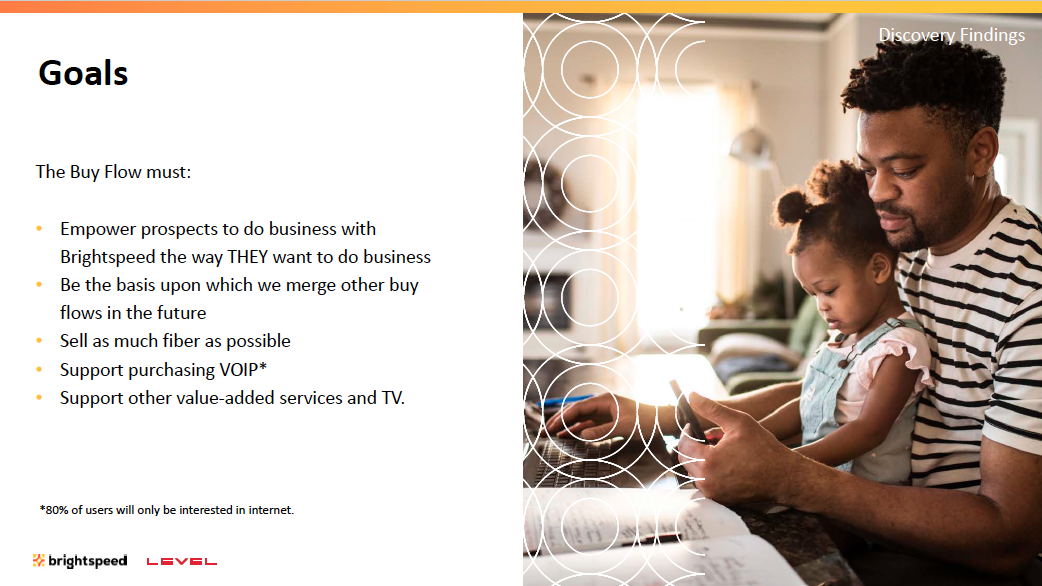
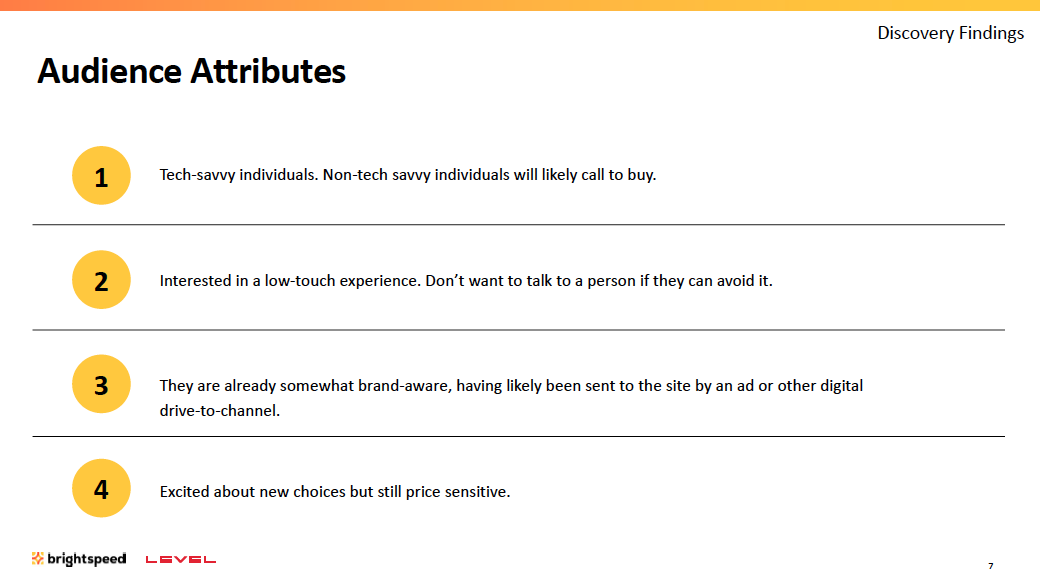
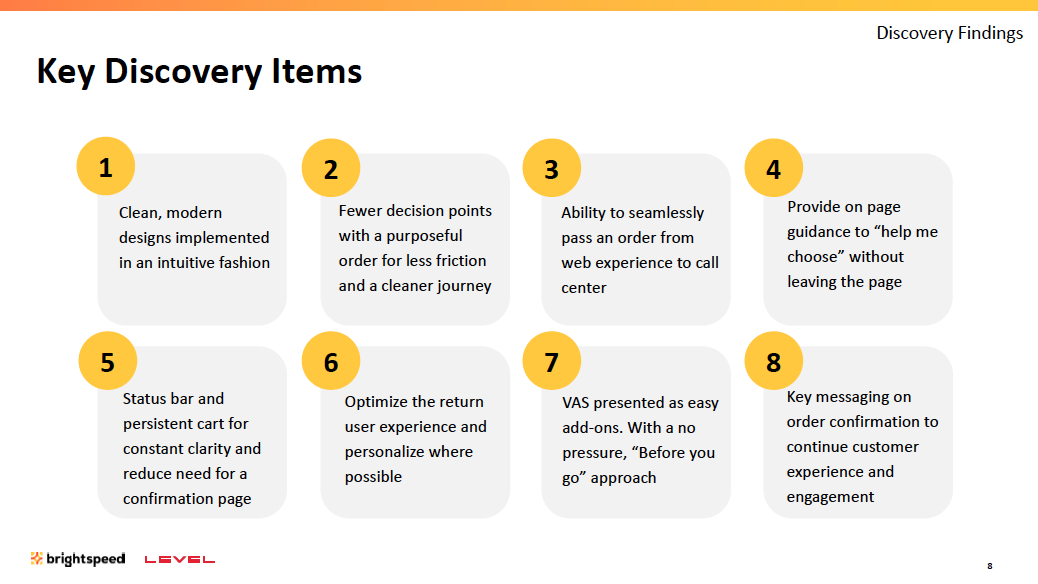
We began with a series of stakeholder workshops involving executives, product managers, and developers to align on business goals, technical constraints, customer needs, and the long-term vision for the organization's digital ecosystem. Insights gathered during discovery informed the experience strategy, design system foundations, and governance approach that would ultimately support a unified and scalable customer experience across digital channels.
Wireframing Components and Pages
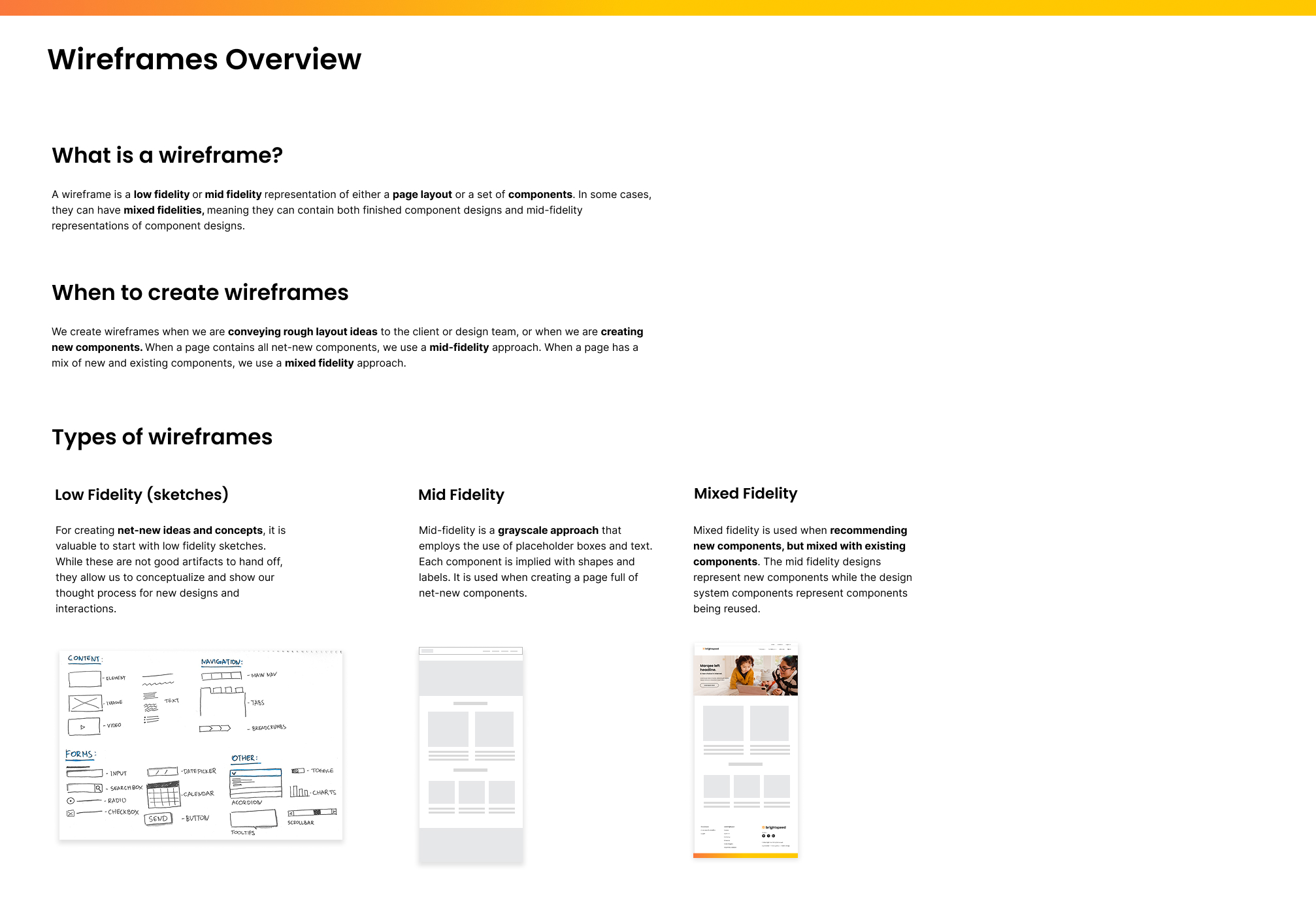
We established a scalable wireframing approach that supported both the creation of new components and the reuse of existing design system assets. This enabled rapid exploration of new experiences while maintaining consistency, reusability, and alignment across the growing product ecosystem.
Design System Foundation
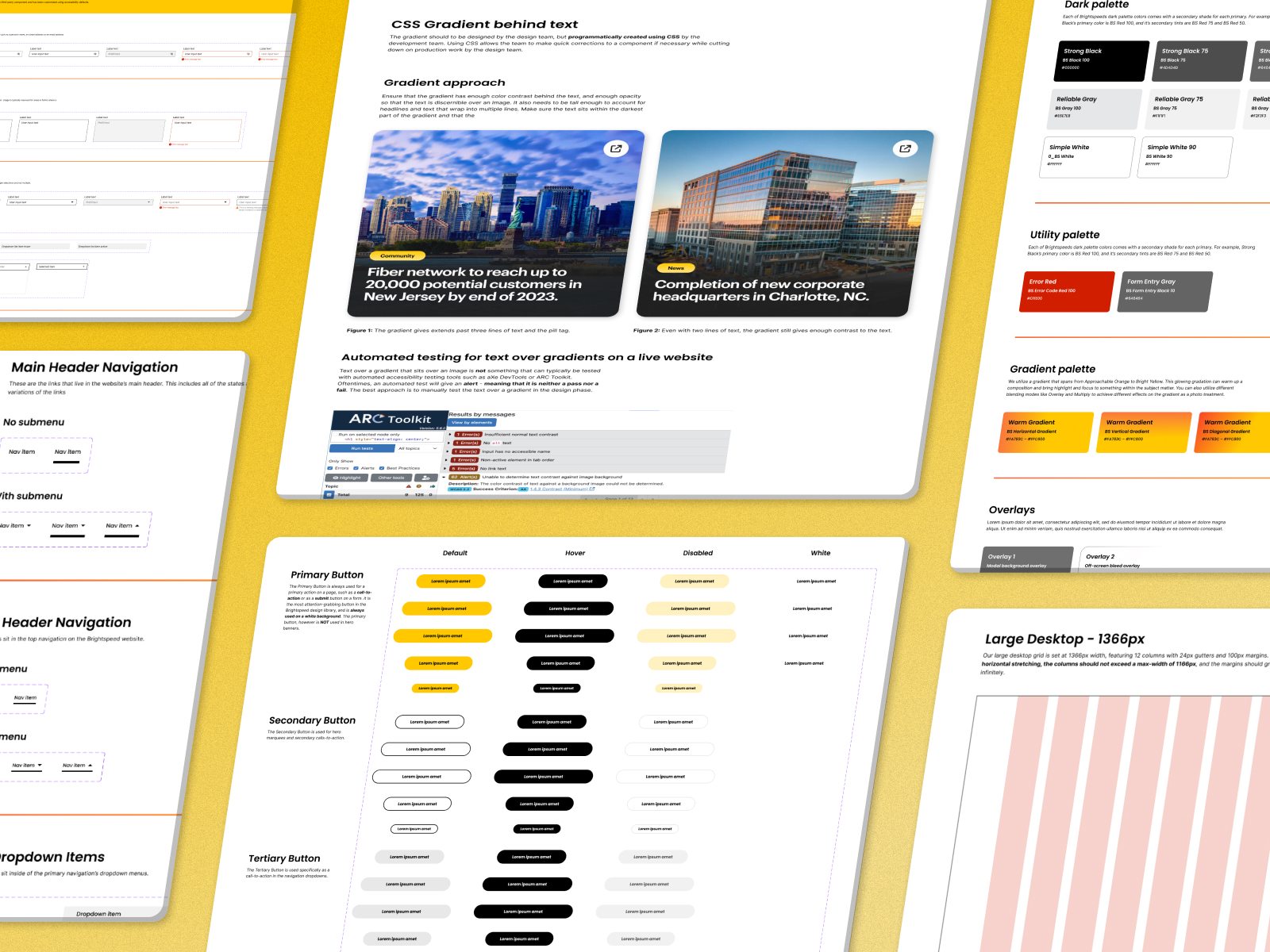
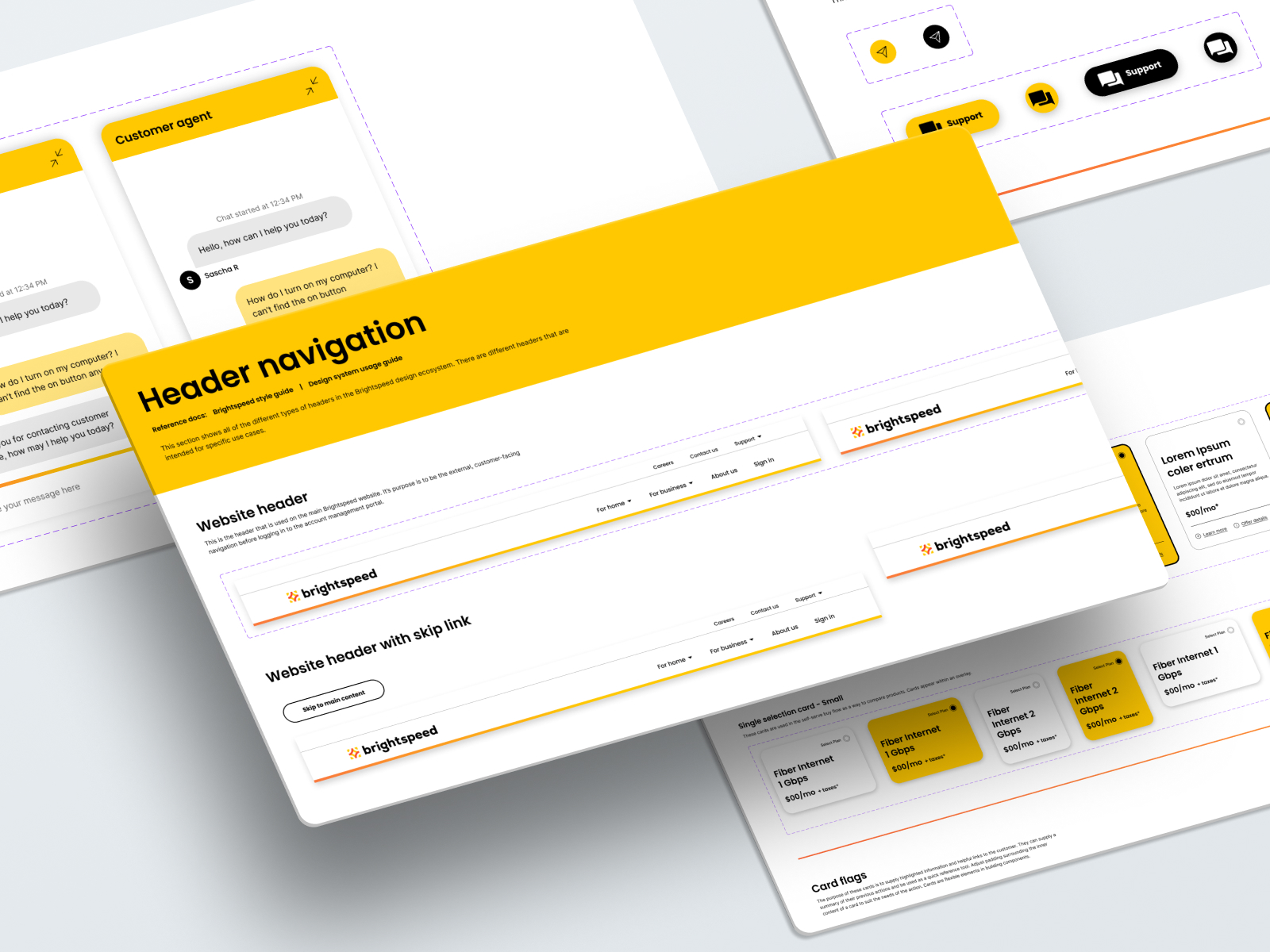
To establish a scalable foundation for future growth, we developed a centralized design system that unified digital experiences across web, mobile, and e-commerce channels. The system introduced reusable components, shared design standards, accessibility requirements, and governance processes that improved consistency, streamlined collaboration between design and development teams, and enabled more efficient product delivery. WCAG 2.2 AA accessibility standards were built into the design system by default to ensure the highest level of usability.
Scaling Across Digital Products
Customer-Facing Website
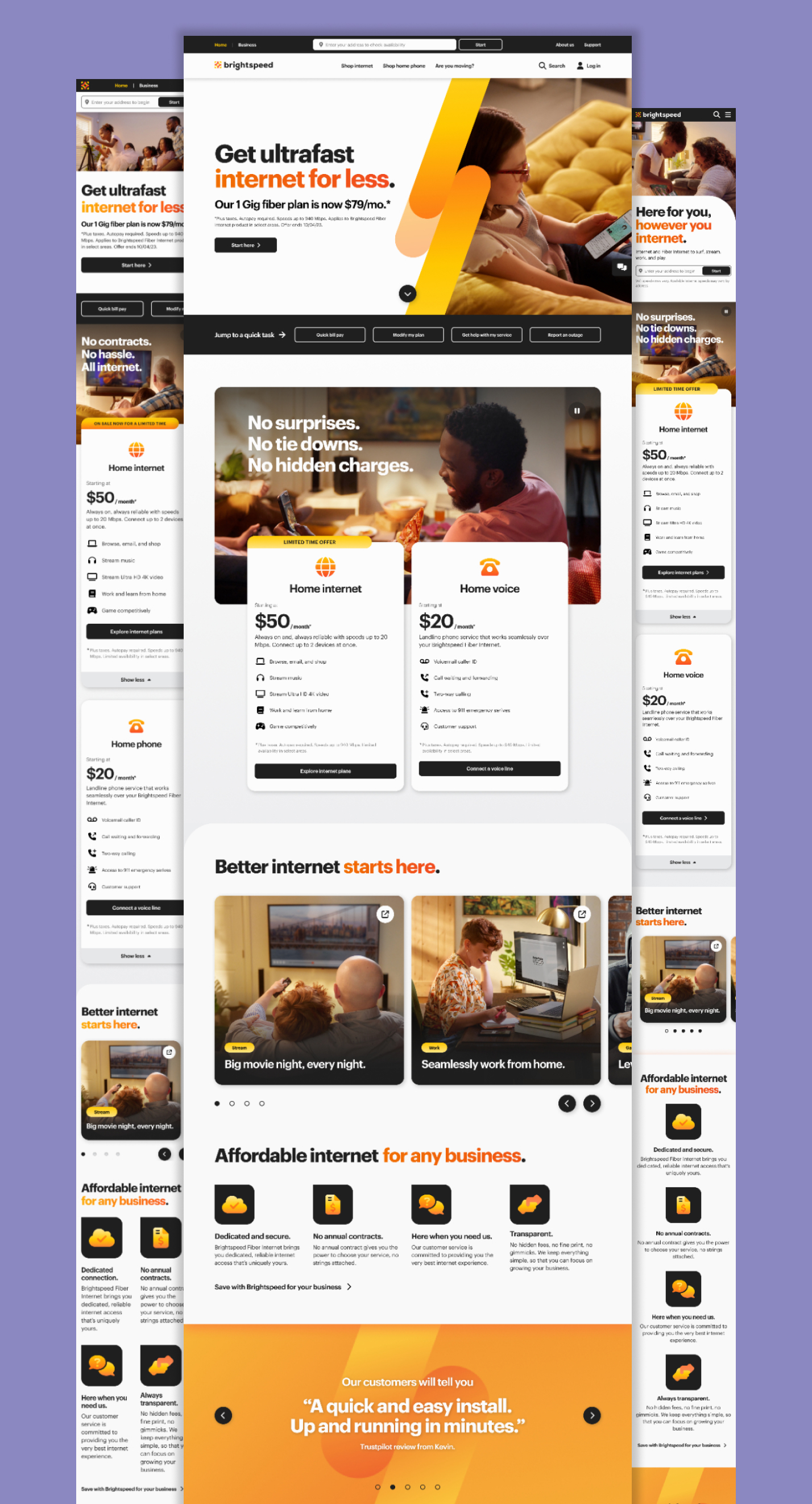
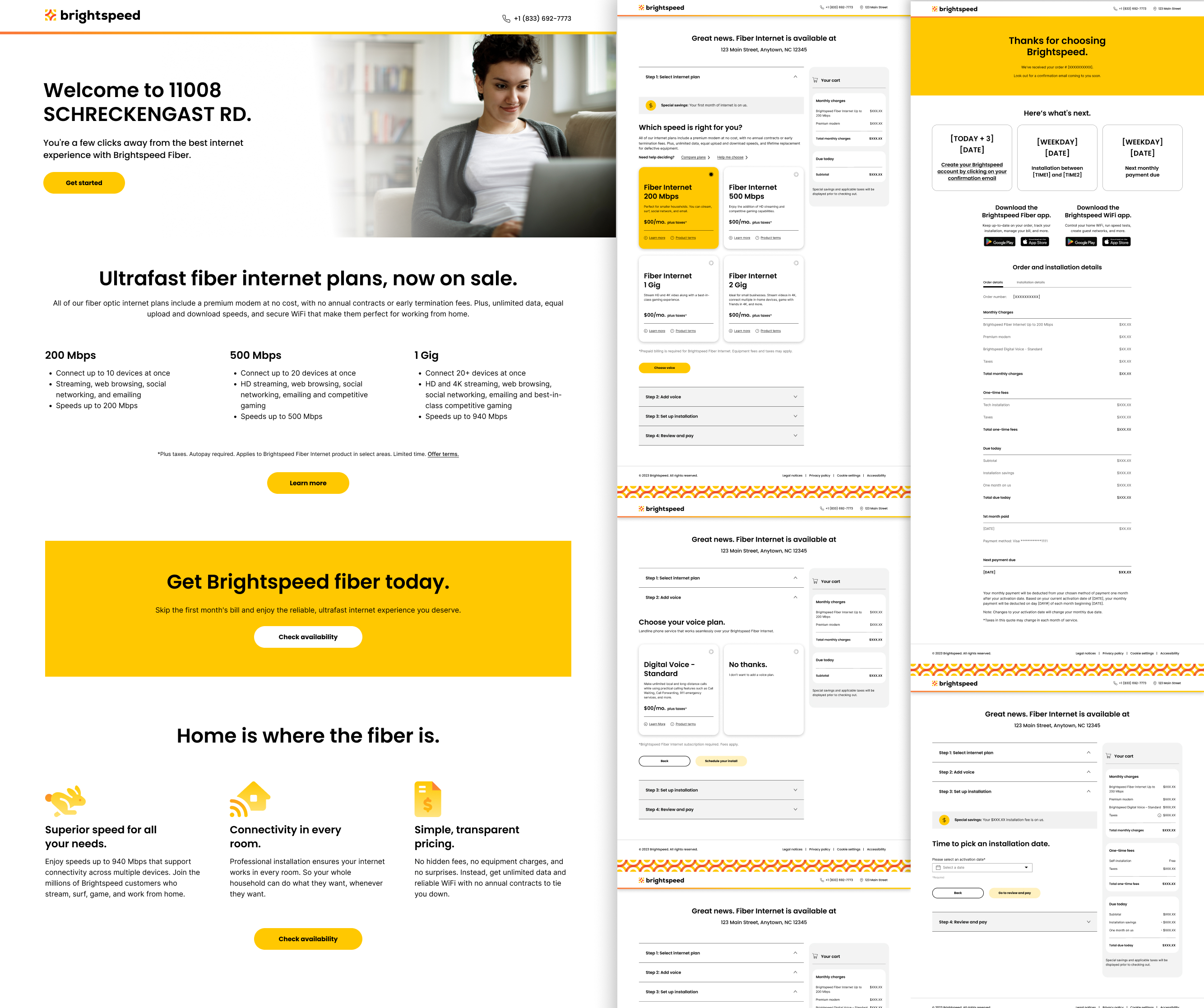
Using the design system as a foundation, we redesigned the organization's customer-facing website to provide a more intuitive, accessible, and scalable experience. Shared components, standardized page templates, and simplified navigation improved consistency across the site while making it easier for users to discover products, services, and support resources.
Native Mobile Application
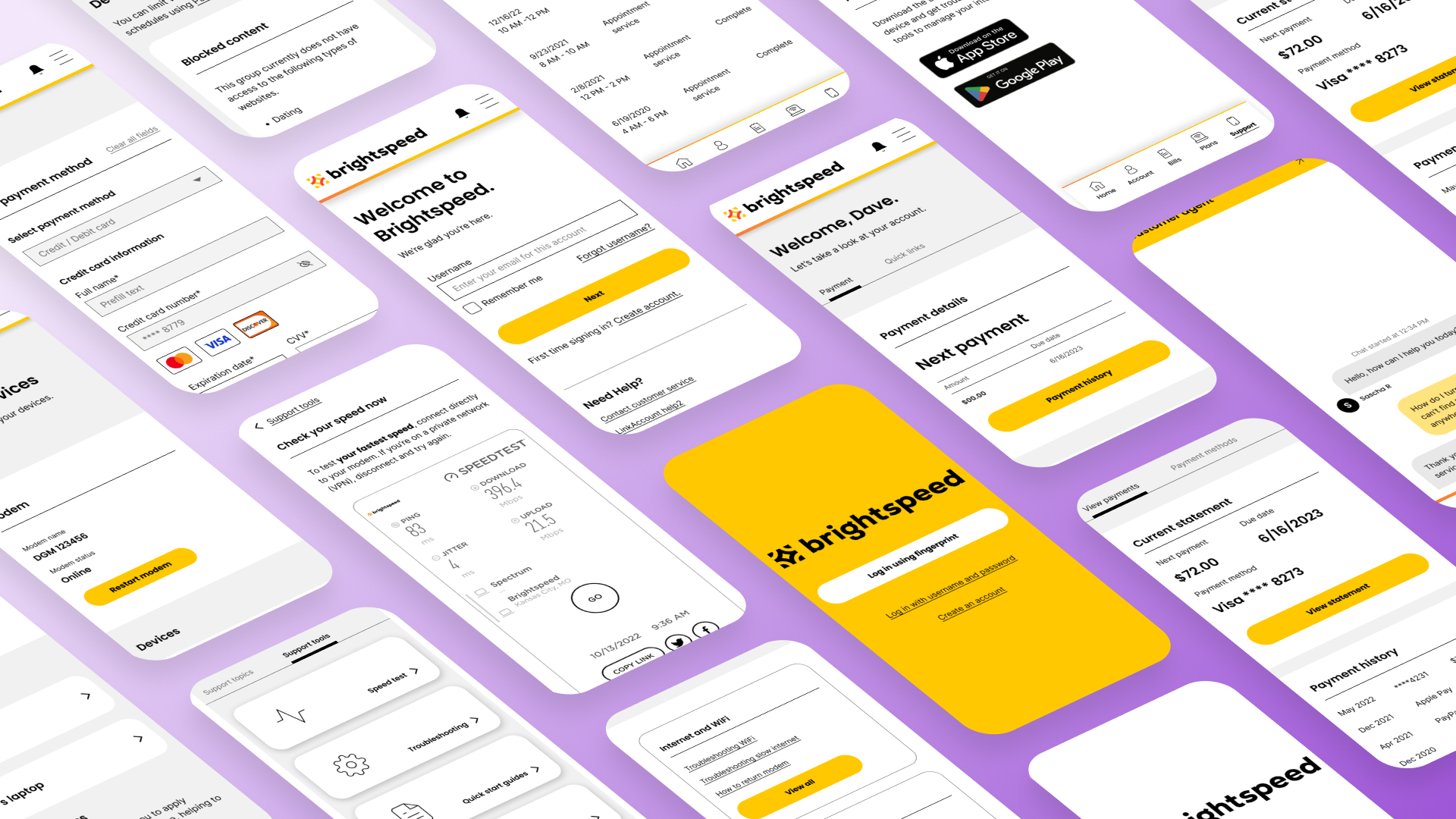
We extended the design system into a native mobile experience, creating a cohesive ecosystem that aligned with the website and other digital products. Accessible interaction patterns, reusable components, and consistent user journeys helped deliver a familiar and streamlined experience across devices.
E-Commerce Experience
To support online purchasing, we created a modern e-commerce experience built on the same design and accessibility foundations as the broader ecosystem. Consistent components, streamlined shopping flows, and accessible checkout experiences improved continuity from product discovery through conversion.
Iterative Usability Testing
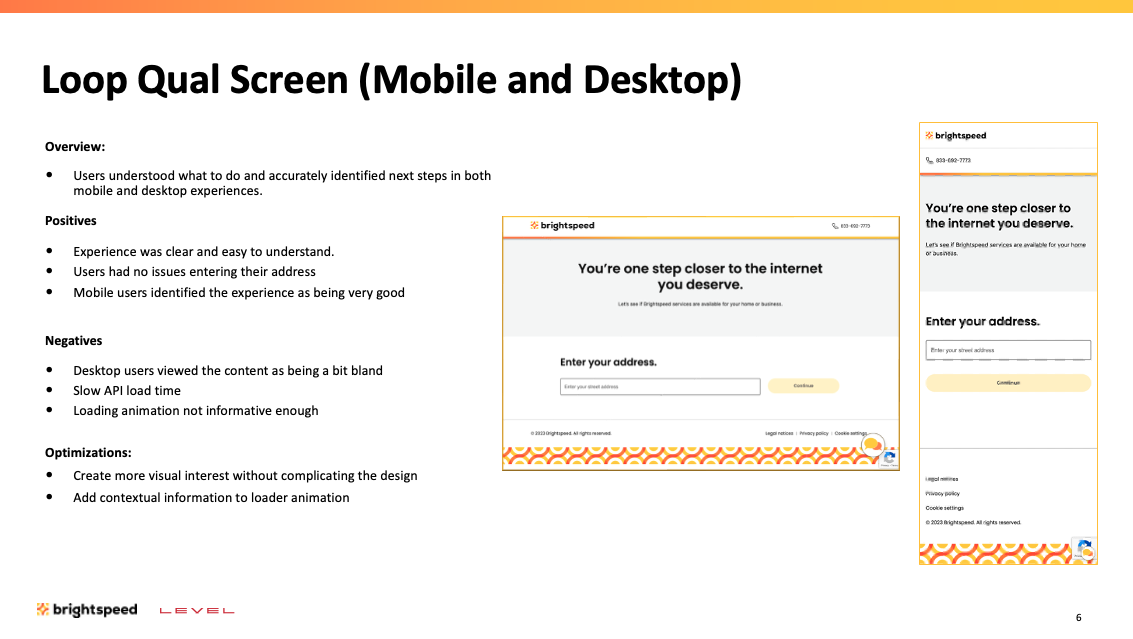
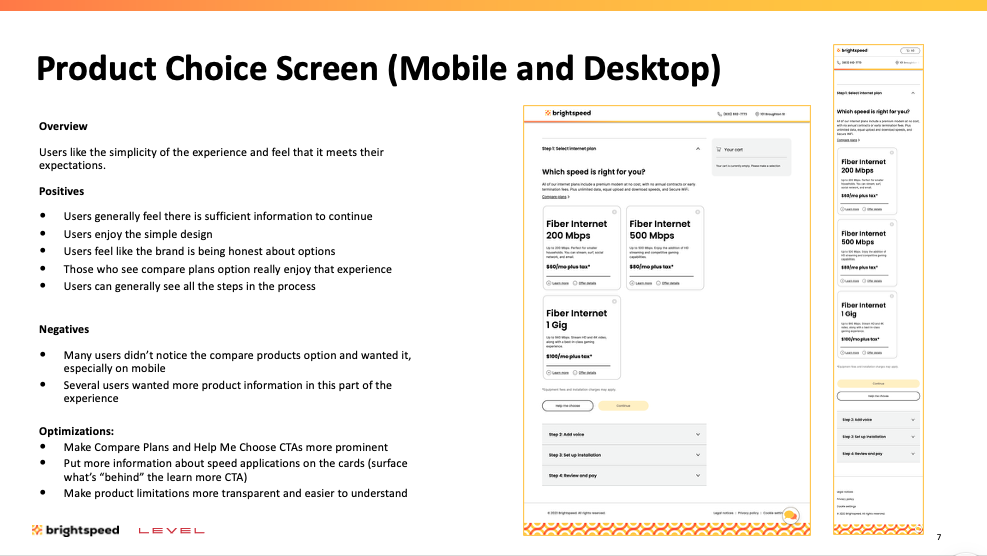
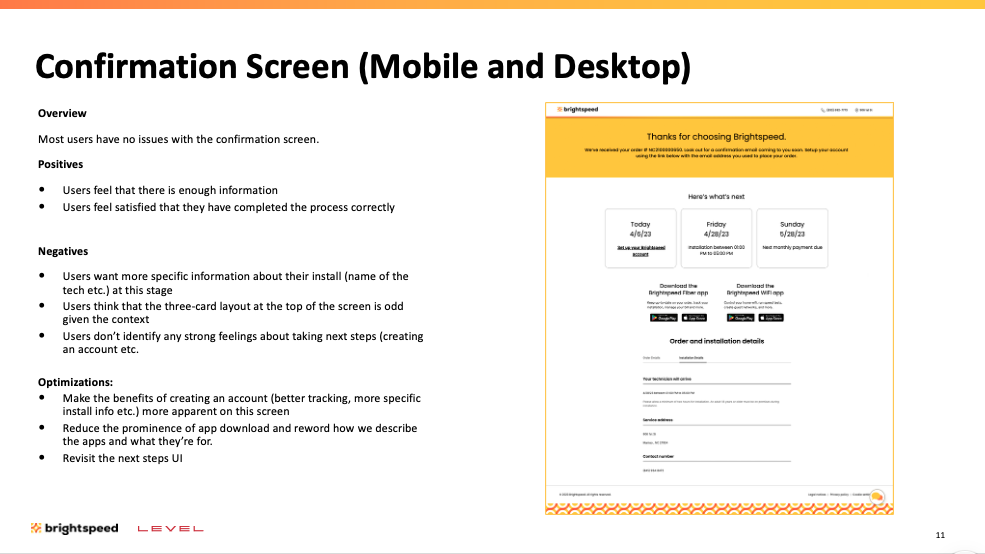
We incorporated usability testing throughout the initiative to evaluate how customers interacted with the website, mobile app, and e-commerce experience as they evolved. Insights gathered from testing informed both product-specific improvements and shared design system enhancements, helping us create more intuitive, accessible, and consistent experiences across every digital touchpoint.
Outcomes
The result was a unified digital ecosystem that brought consistency, accessibility, and scalability to the organization's web, mobile, and commerce experiences. By establishing a shared foundation of reusable components, governance practices, and accessibility standards, teams were able to collaborate more effectively, accelerate delivery, and support the organization's continued digital growth.