

Member Experience Portal Accessibility
Redesigning the self-service portal to improve accessibility, reduce support call volume, and give members confidence navigating their own benefits.
Project Goal
The team sought to create a member portal that was accessible by design, giving employees, dependents, and their families an inclusive way to manage benefits and access critical information. By embedding WCAG 2.2 AA accessibility requirements into wireframes and visual designs from the start, the team aimed to reduce barriers, address potential issues early, and establish a strong foundation for the organization's first direct-to-member digital experience.
Approach
I worked directly with the design team to provide real-time accessibility guidance and annotate wireframes and visual designs in Figma. Through detailed design and development annotations, I helped translate WCAG 2.2 AA requirements into actionable guidance, enabling teams to address accessibility considerations early and build a more inclusive experience from the start.
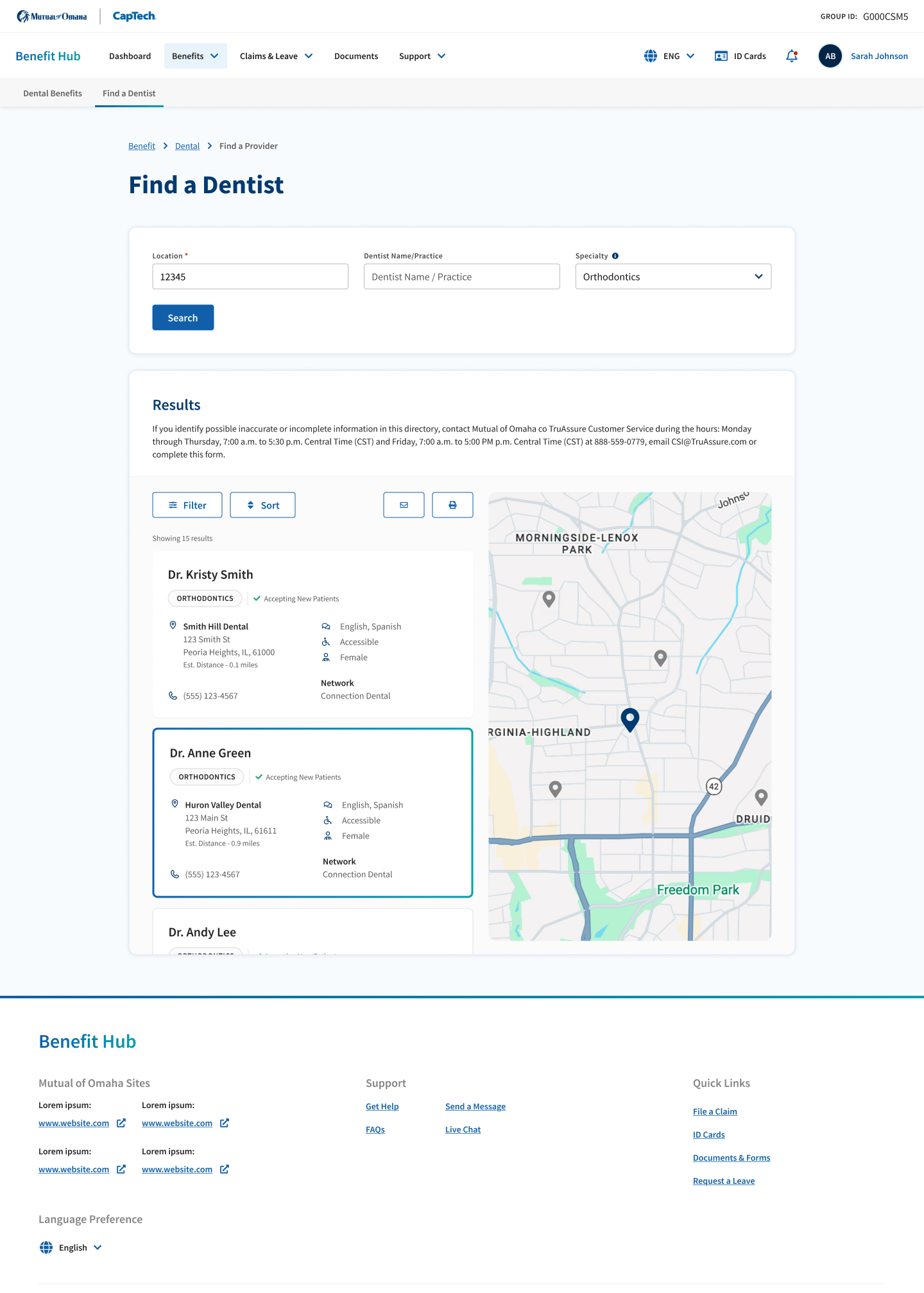
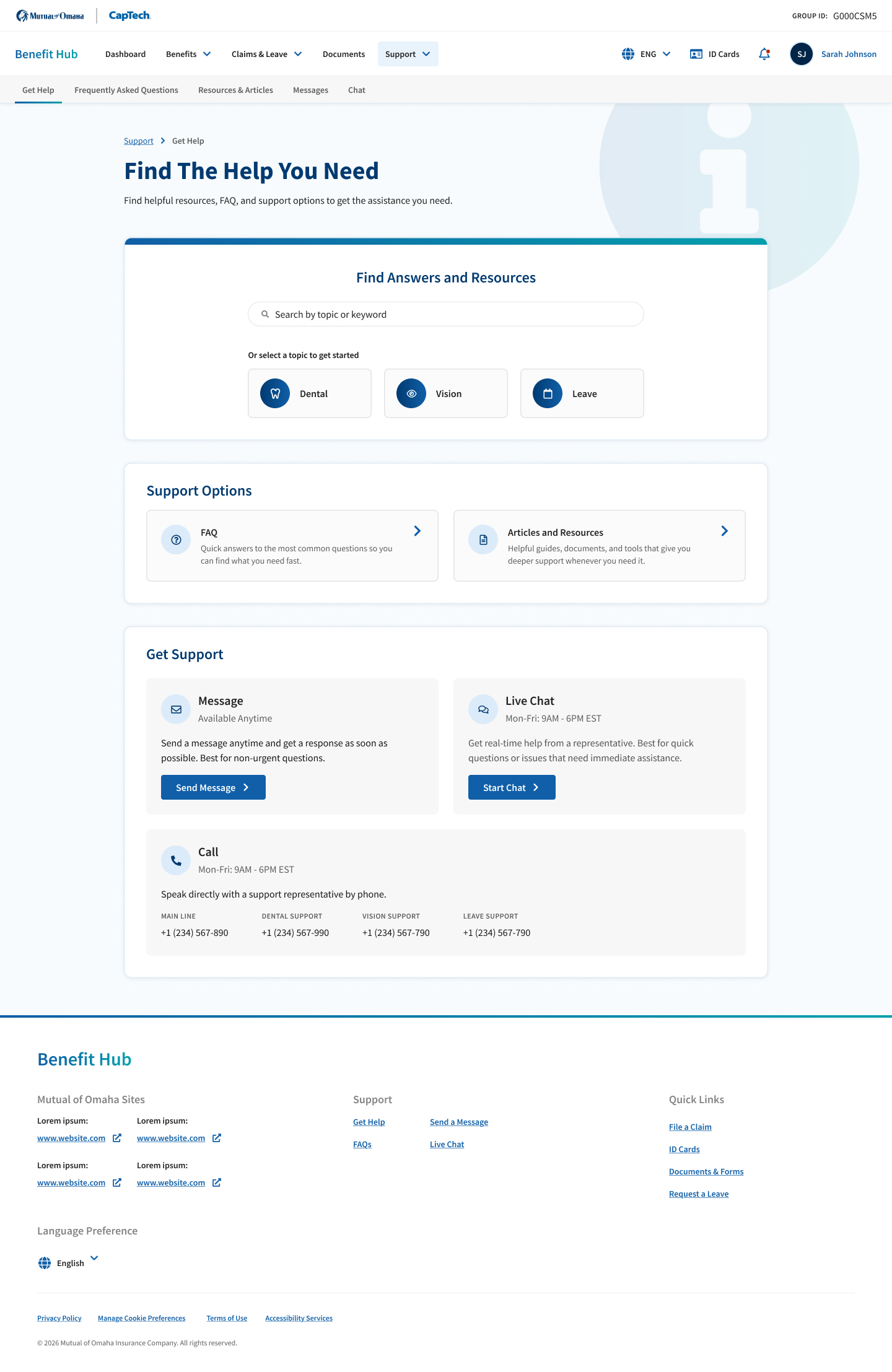
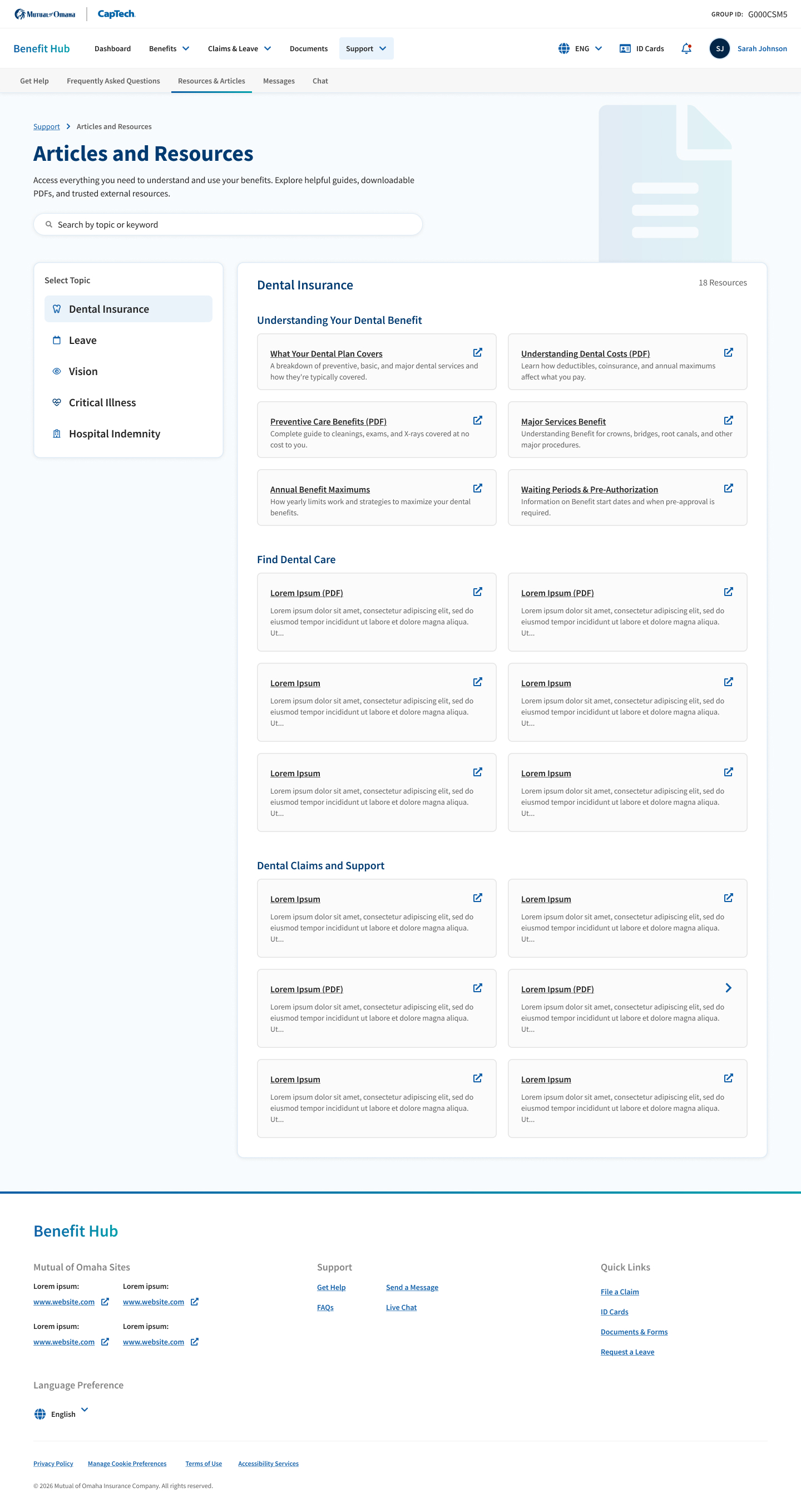
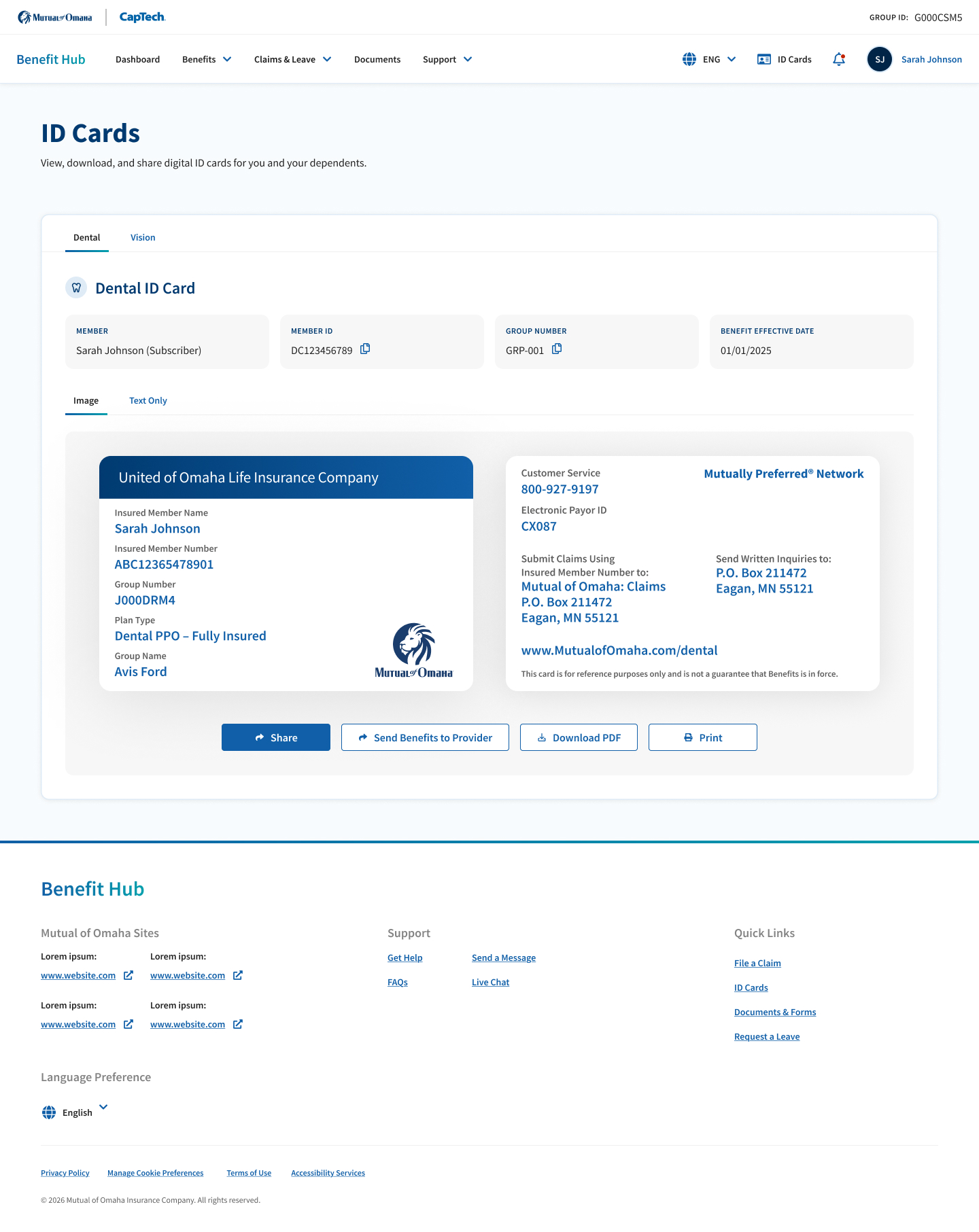
Initial Non-Annotated Design Examples
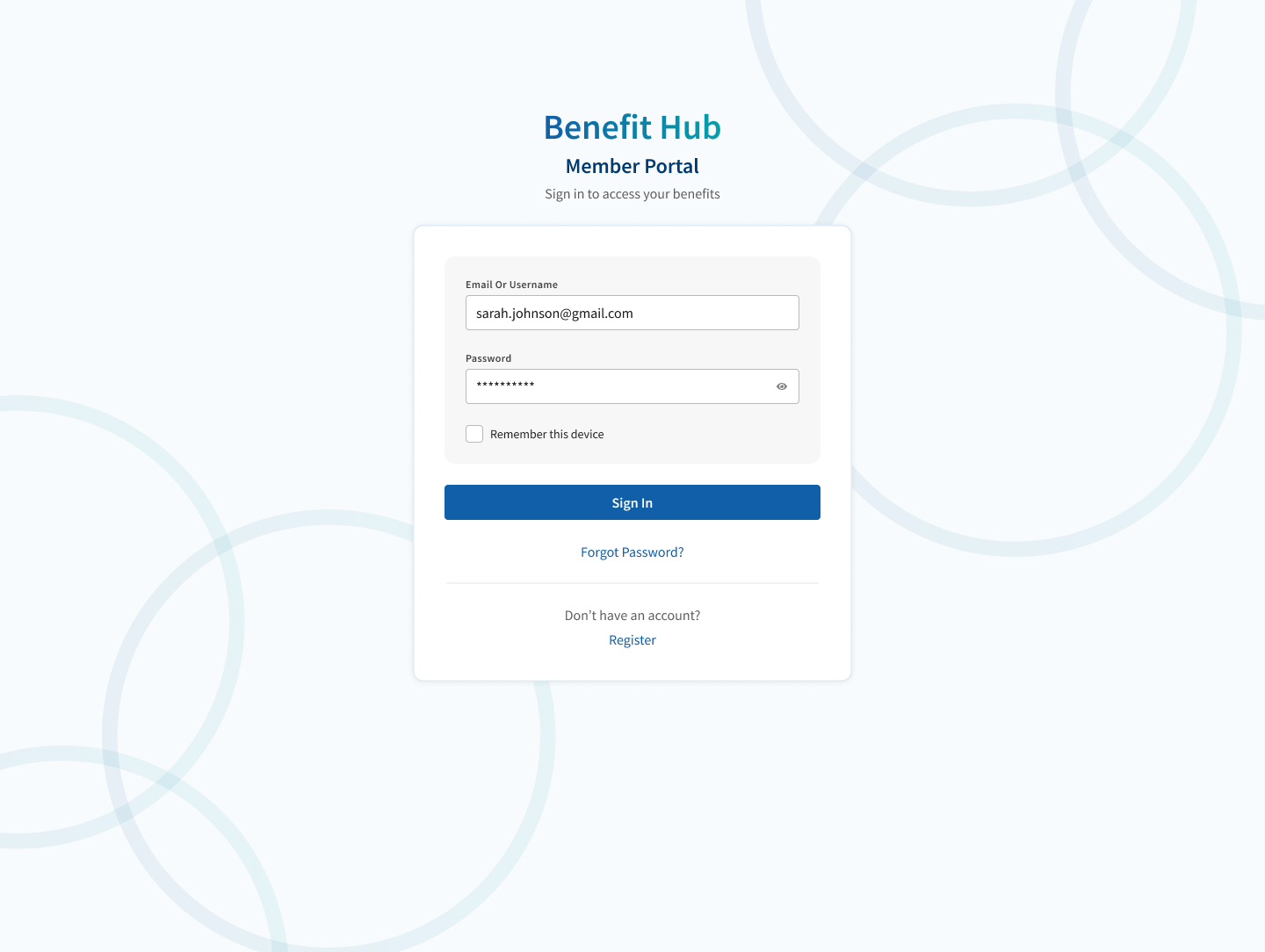
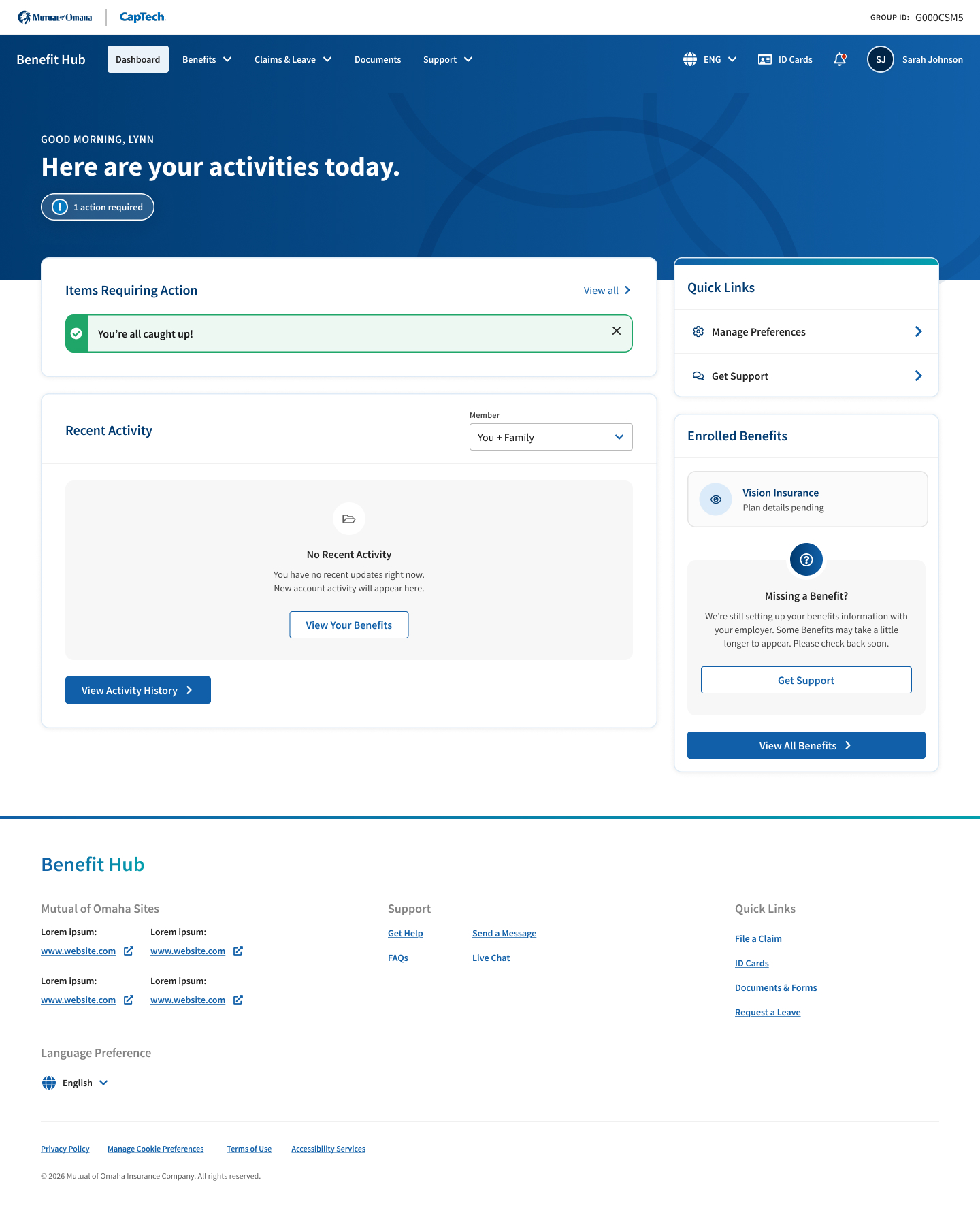
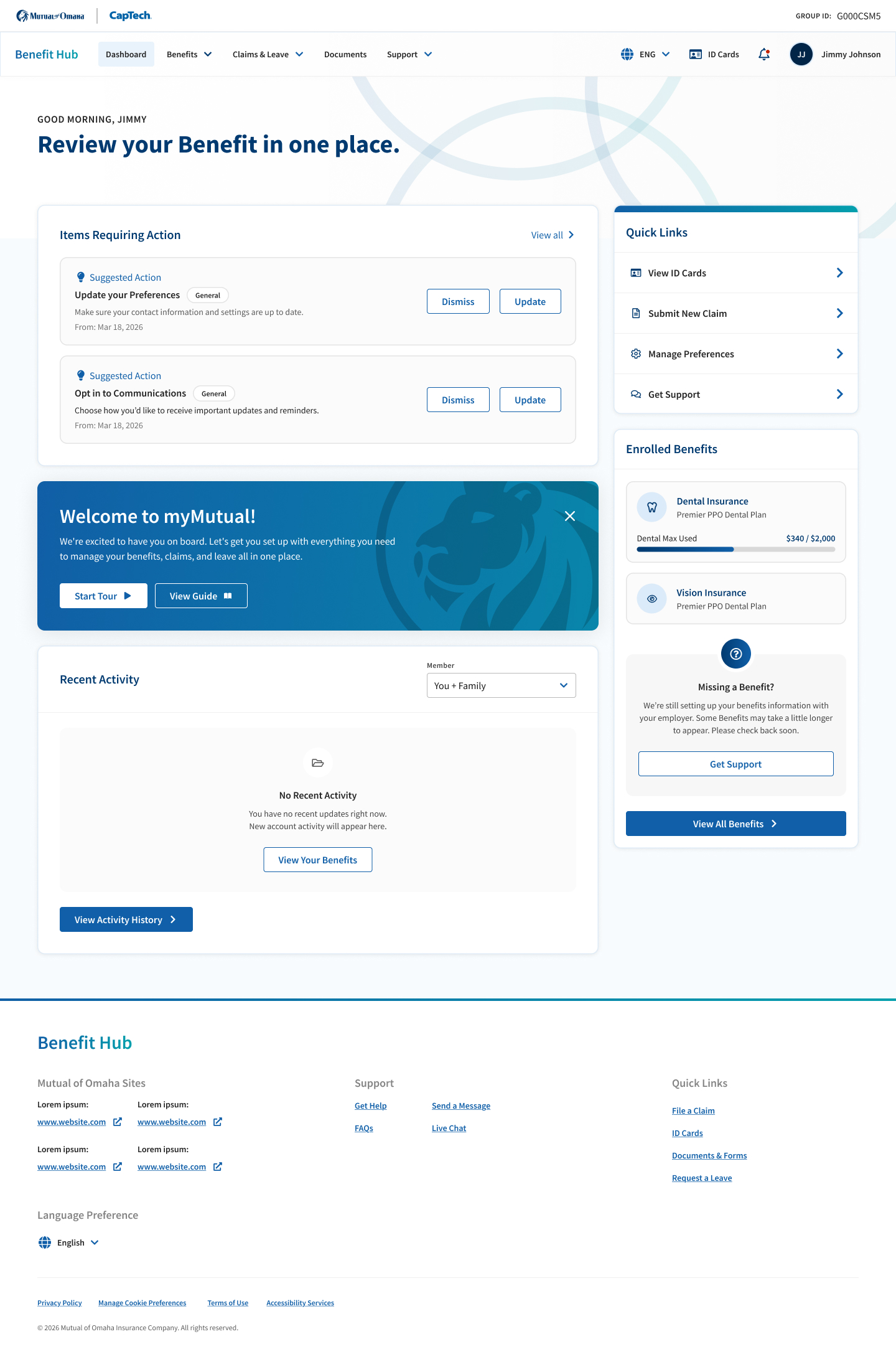
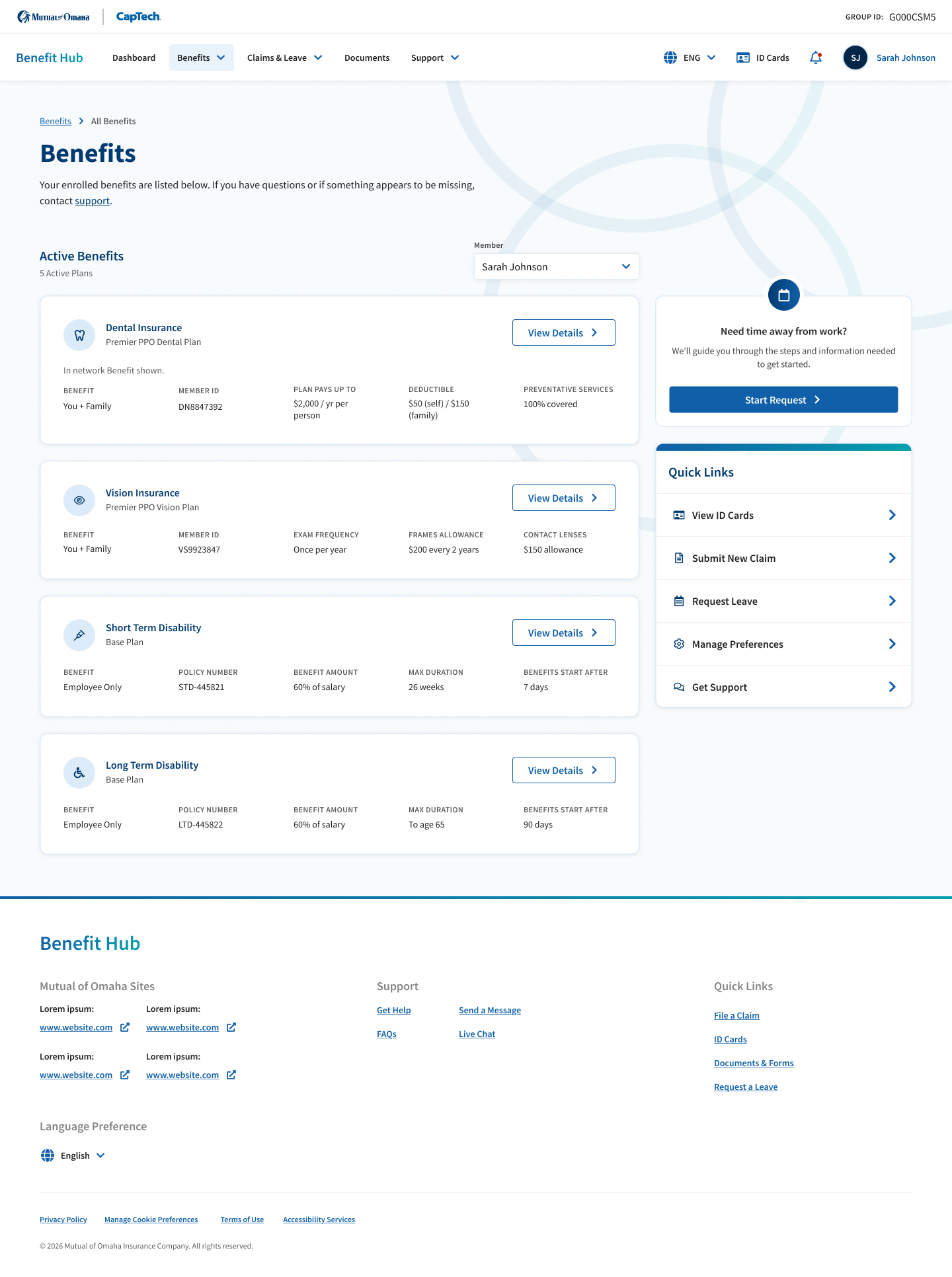
Global Component Annotations
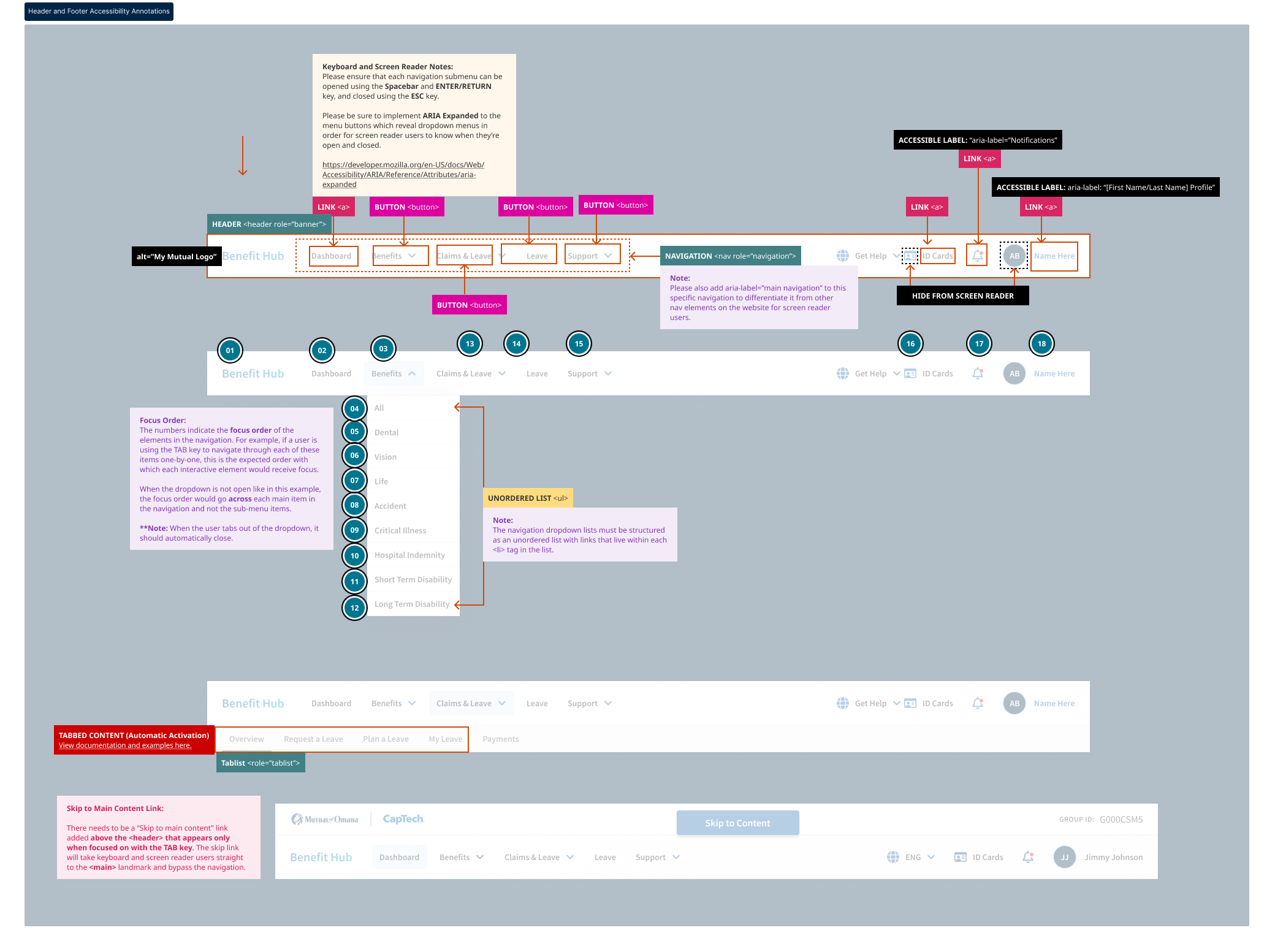
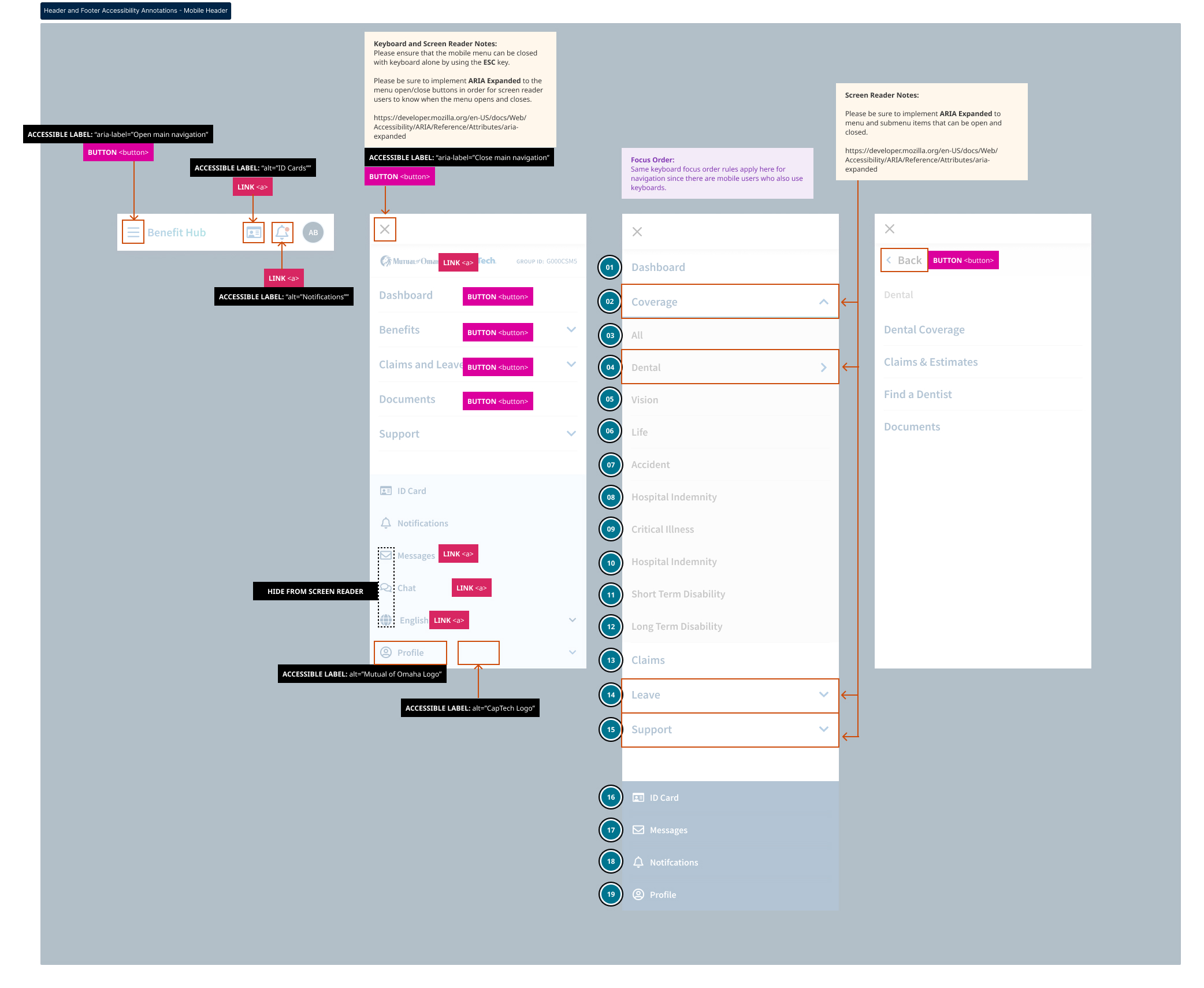
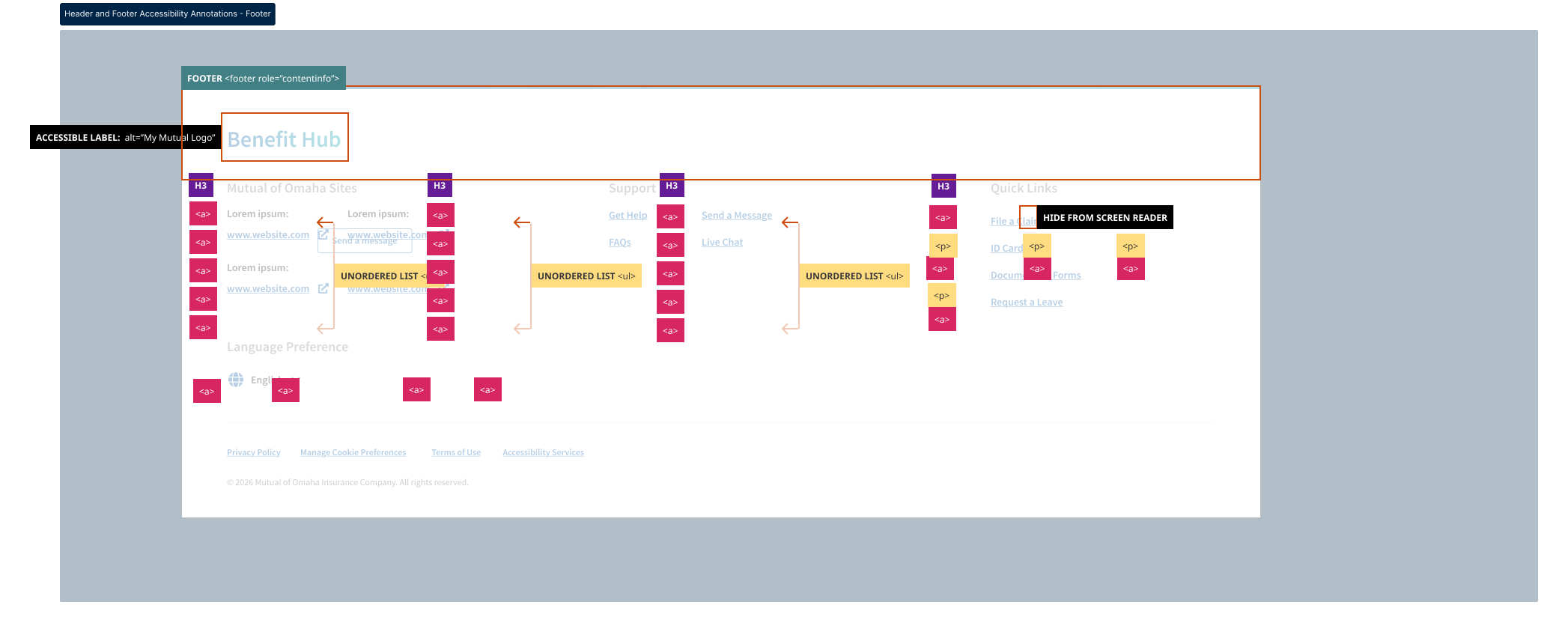
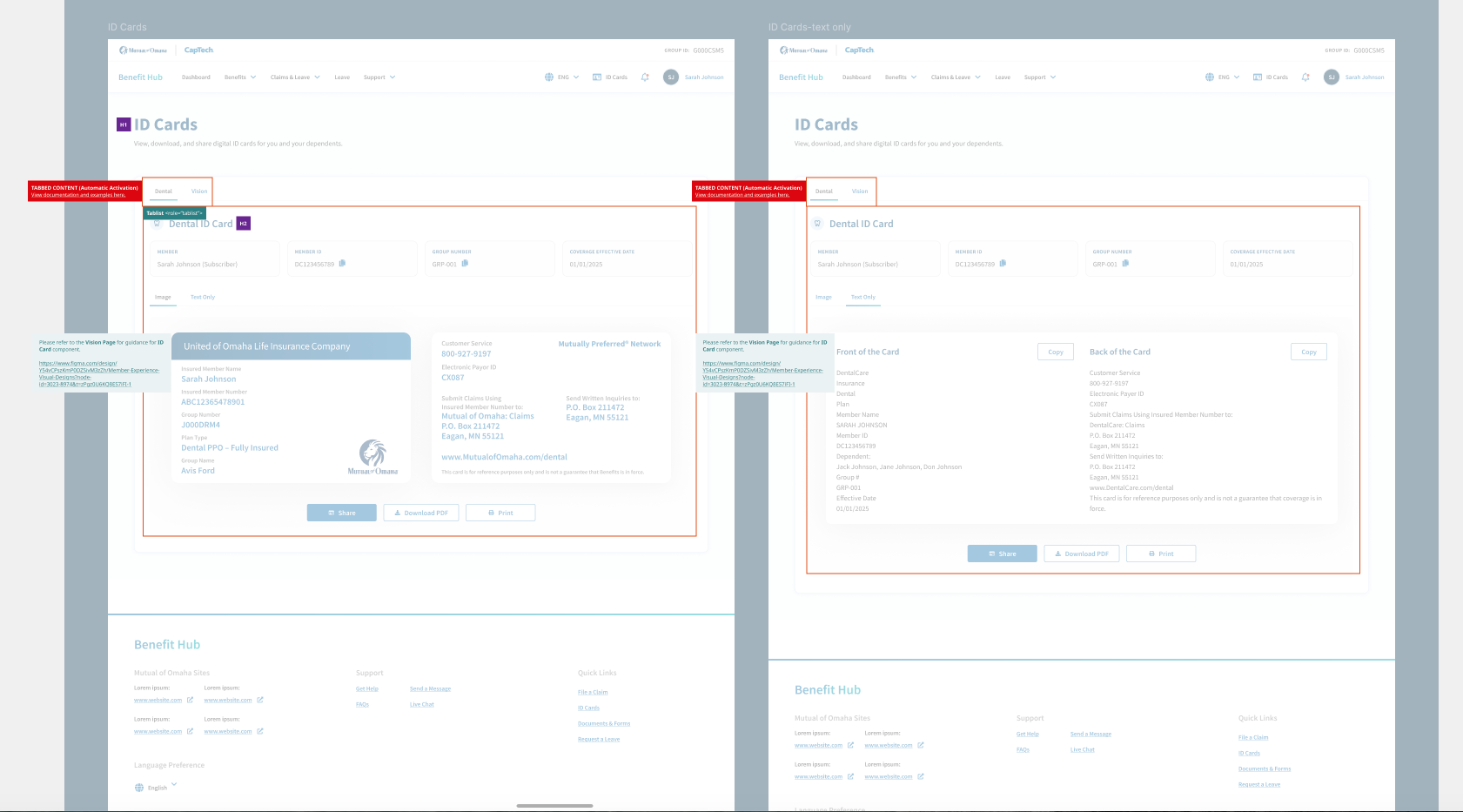
I established accessibility requirements at the component level, creating a reusable foundation that improved consistency across the experience and streamlined the annotation process. This included defining accessible labels and names for assistive technologies, documenting keyboard navigation and focus management requirements, and providing detailed development guidance to support WCAG conformance. Building accessibility into shared components enabled teams to scale accessible patterns across the product while reducing duplication and improving implementation quality.
Page-Level Annotations
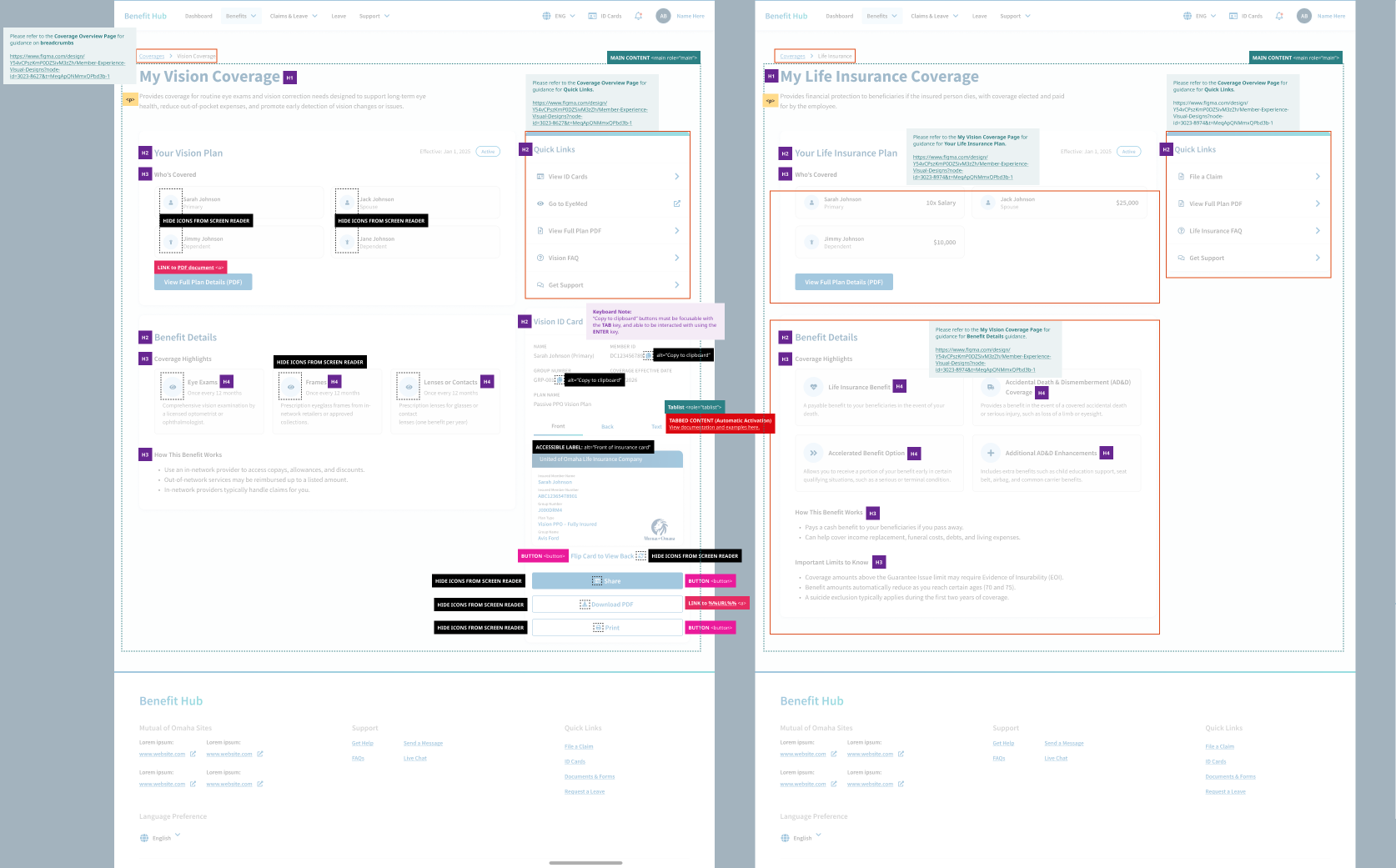
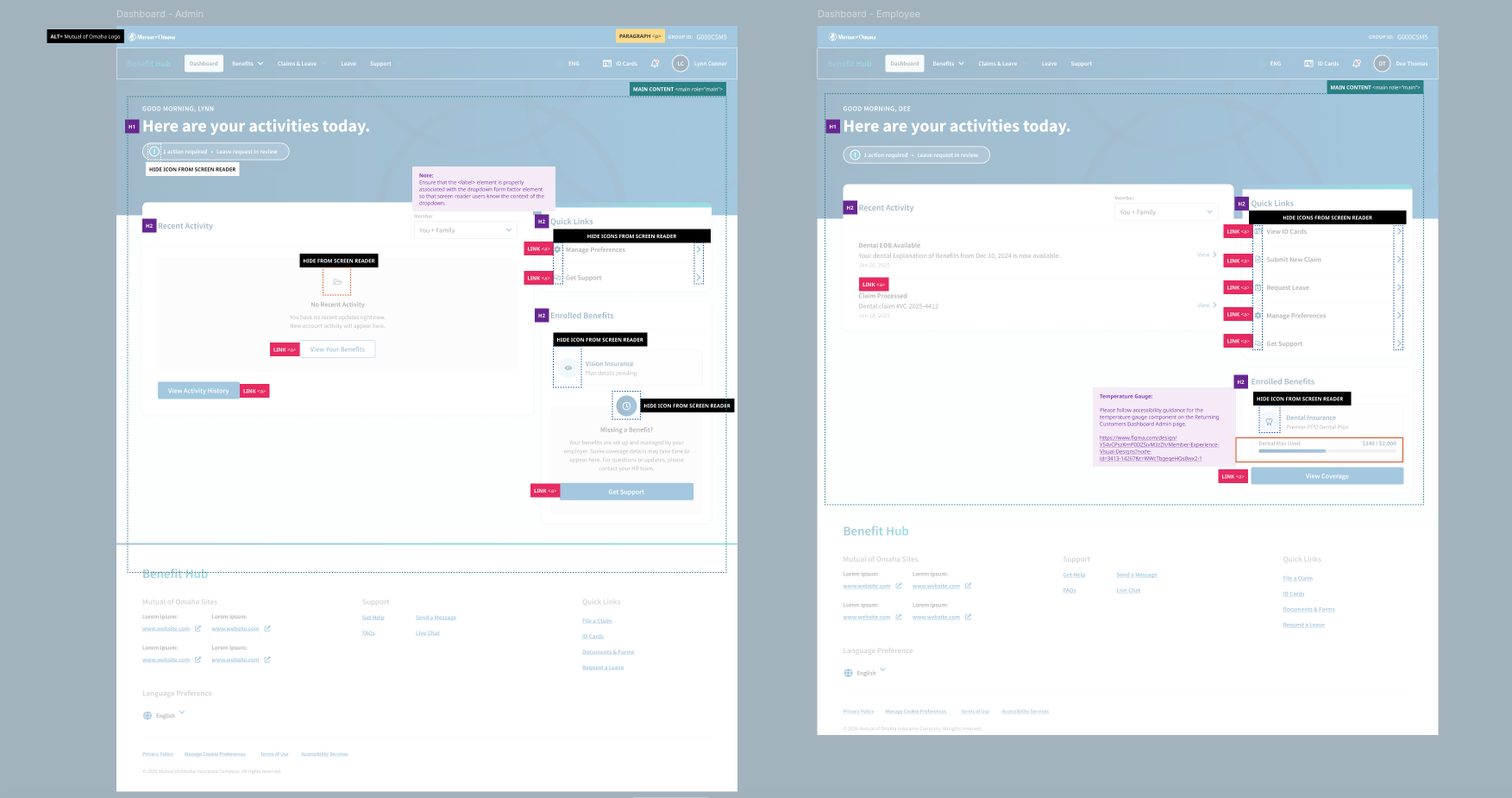
I then audited representative page templates, documenting heading hierarchy, page regions, and focus order to support accessible navigation and structure. This included defining semantic landmarks, validating reading and interaction order, and identifying page-specific accessibility requirements that extended beyond reusable components. These annotations helped ensure a logical, predictable experience for keyboard and assistive technology users while supporting consistent implementation across the product.
Outcomes
By providing detailed accessibility annotations and recommendations, I enabled Mutual of Omaha's design team to proactively address accessibility barriers during the design process while equipping developers with clear implementation guidance. These annotations translated complex accessibility requirements into actionable design and development patterns, helping teams consistently implement accessible solutions and deliver experiences that aligned with WCAG 2.2 AA standards.


